
What Is Phishing? A Complete Guide to Modern Phishing Attacks
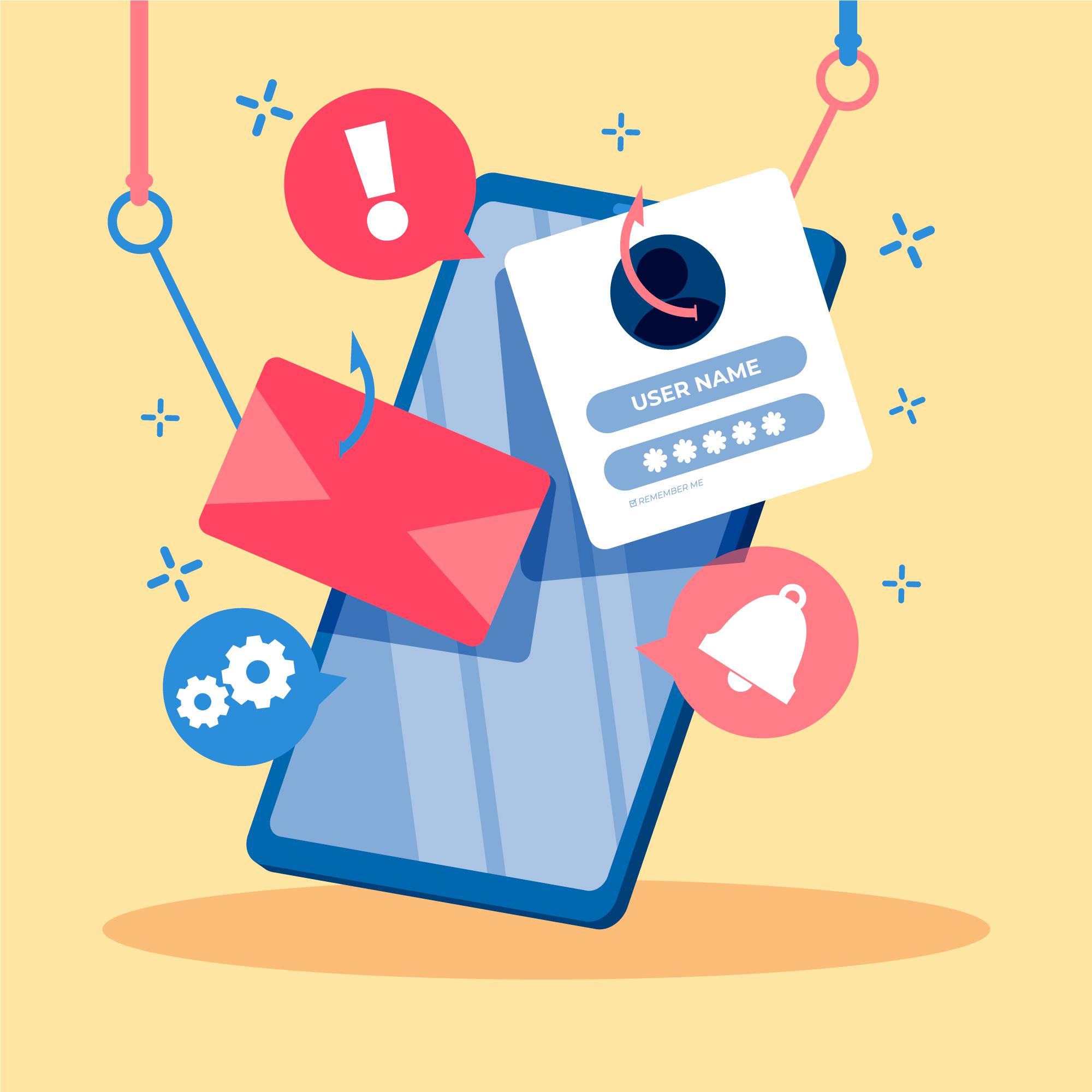
What Is Phishing? A Complete Guide to Modern Phishing Attacks
Phishing is one of the most common — and most effective — cyberattack methods in use today. Despite years of awareness campaigns, phishing remains a primary entry point for data breaches, ransomware attacks, and account takeovers across industries.
At its core, phishing is not a technical attack. It is a psychological one.
Instead of exploiting software vulnerabilities, phishing attacks exploit human trust, urgency, and routine behavior. Attackers impersonate legitimate entities — banks, colleagues, vendors, or government agencies — to trick victims into revealing sensitive information or performing harmful actions.
This guide explains how phishing works today, why it continues to succeed, and how organizations and individuals can recognize and reduce phishing risk.
How Phishing Attacks Work
Most phishing attacks follow a predictable pattern:
- Impersonation
The attacker poses as a trusted source — a company, internal employee, service provider, or authority. - Delivery
The message is delivered via email, SMS, messaging apps, social media, or phone calls. - Manipulation
The message creates urgency, fear, or curiosity to override rational decision-making. - Action
The victim clicks a link, opens an attachment, shares credentials, or transfers funds. - Exploitation
Stolen information is used for financial fraud, lateral access, or further attacks.
Modern phishing campaigns are often automated, targeted, and continuously refined based on success rates.
Why Phishing Still Works
Phishing succeeds because it blends into everyday workflows. Employees are trained to respond quickly to emails, invoices, password resets, and internal requests. Attackers design phishing messages to look routine rather than suspicious.
Contributing factors include:
- High email volume and alert fatigue
- Remote and hybrid work environments
- Poor visibility into sender authenticity
- Increasing use of cloud services and SSO
- Human error under time pressure
No organization is “too secure” to be phished.
Common Outcomes of Phishing Attacks
Successful phishing attacks can lead to:
- Credential theft and account compromise
- Financial fraud and wire transfer scams
- Malware and ransomware deployment
- Business email compromise (BEC)
- Data breaches and regulatory exposure
In many breach investigations, phishing is identified as the initial access vector.
Phishing vs Social Engineering
Phishing is a subset of social engineering.
Social engineering refers to any attack that manipulates human behavior to bypass security controls. Phishing is simply the most scalable and widely used form of it.
Understanding phishing requires understanding human behavior — not just technology.
How to Reduce Phishing Risk
There is no single solution that stops phishing entirely. Effective defense relies on layered controls:
- Email filtering and threat detection
- User education focused on behavior, not fear
- Strong authentication and MFA
- Monitoring for credential abuse
- Clear reporting mechanisms for suspicious messages
The goal is not zero clicks — it is reducing impact when clicks happen.
Conclusion
Phishing is not going away. As long as humans interact with digital systems, attackers will target trust and routine behavior.
Organizations that treat phishing as a technical problem alone will continue to struggle. Those that address it as a human risk — supported by technical controls — are far better positioned to limit damage.
To learn more about phishing read our guides
Types of Phishing Attacks Explained